
If you've ever been in Japan during early February, you might have noticed convenience stores and supermarkets overflowing with long, uncut sushi rolls. These aren't your typical sushi rolls—they're ehoumaki (恵方巻き), a special food tied to one of Japan's most unique eating traditions.
What is Ehoumaki?
Ehoumaki, which literally translates to "lucky direction roll," is a thick sushi roll traditionally eaten on Setsubun (節分), the day before the beginning of spring in the Japanese lunar calendar, usually falling on February 3rd. This cylindrical sushi roll is packed with seven ingredients representing the Seven Lucky Gods of Japanese mythology, and eating it is believed to bring good fortune for the coming year.

The Ehoumaki Eating Ritual: Three Important Rules
What makes ehoumaki truly special isn't just the roll itself, but the ritualistic way it must be eaten:
1. Face the Lucky Direction
Each year has a designated "lucky direction" (eho) determined by the Chinese zodiac calendar. While eating your ehoumaki, you must face this specific compass direction. For example, the 2024 lucky direction was east-northeast, while 2025's direction is west-southwest.
2. Eat It Whole and Uncut
The ehoumaki must be eaten whole without cutting it into pieces. Cutting the roll is believed to "cut" your good luck, so the entire roll should remain intact while you eat.
3. Eat in Silence
You must eat the entire roll in complete silence while making a wish or thinking about your goals for the year. Speaking during this time is thought to let your luck escape, so save the conversation for after you've finished!
What's Inside an Ehoumaki?
Traditional ehoumaki contains seven ingredients, each representing one of the Shichifukujin (Seven Lucky Gods):
- Kampyo (dried gourd strips)
- Cucumber
- Shiitake mushrooms
- Unagi (eel) or anago (conger eel)
- Tamagoyaki (sweet egg omelet)
- Sakura denbu (pink fish flakes)
- Oboro (white fish paste)
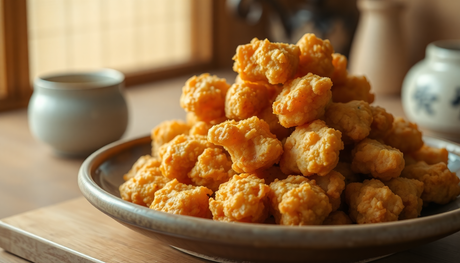
Modern variations have expanded to include tuna, salmon, crab, vegetables, and even non-traditional ingredients like fried chicken or sweets, catering to contemporary tastes.
The History of Ehoumaki: From Osaka to National Phenomenon
While many believe ehoumaki is an ancient tradition, its widespread popularity is surprisingly recent. The custom originated in Osaka during the Edo period (1603-1868), where it was practiced by merchants and geisha in the Kansai region.
The tradition nearly disappeared after World War II but was revived in the 1970s by the Osaka Sushi Association as a marketing campaign. The real turning point came in 1998 when Seven-Eleven convenience stores launched a nationwide promotional campaign, transforming ehoumaki from a regional Osaka custom into a Japan-wide phenomenon.
Today, ehoumaki has become a commercial success story similar to Valentine's Day chocolate in Japan, with stores competing to create innovative rolls and generate significant sales each Setsubun.
Setsubun: The Bean-Throwing Festival
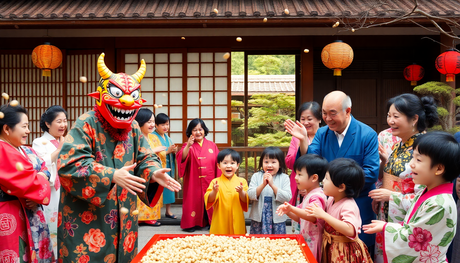
Ehoumaki is just one part of Setsubun celebrations. The day is also famous for mamemaki (bean throwing), where people throw roasted soybeans while shouting "Oni wa soto! Fuku wa uchi!" ("Demons out! Good luck in!"). This ritual cleanses homes of evil spirits and invites good fortune.
After throwing beans, it's customary to eat the same number of beans as your age (plus one for the coming year) to ensure health and happiness.
How to Make Your Own Ehoumaki at Home
Making ehoumaki at home is easier than you might think:
Ingredients:
- Sushi rice (about 2 cups cooked)
- Nori seaweed sheets
- Your choice of seven fillings
- Rice vinegar, sugar, and salt for seasoning rice
- Bamboo rolling mat
Instructions:
- Season warm cooked rice with sushi vinegar mixture and let cool
- Place nori sheet on bamboo mat, shiny side down
- Spread rice evenly over nori, leaving a small border at the top
- Arrange your seven ingredients in a line across the center
- Roll tightly using the bamboo mat, sealing the edge with a bit of water
- Don't cut—keep the roll whole!
Where to Buy Ehoumaki in Japan
During Setsubun season, ehoumaki is available virtually everywhere:
- Convenience stores (7-Eleven, Family Mart, Lawson)
- Supermarkets (Aeon, Ito Yokado)
- Department store food halls
- Sushi restaurants and kaiten-zushi chains
- Specialty sushi shops
Many stores take pre-orders starting in mid-January and offer elaborate premium versions alongside standard options.
The Controversy: Food Waste Concerns
Despite its popularity, ehoumaki has faced criticism in recent years due to massive food waste. Retailers often over-order to avoid running out, resulting in thousands of unsold rolls being discarded after Setsubun. This has sparked public debate about sustainability and corporate responsibility.
In response, some stores have shifted to pre-order systems and reduced their inventory to minimize waste, while consumer awareness campaigns encourage people to buy only what they'll eat.
Cultural Significance and Modern Appeal
For many Japanese people, ehoumaki represents more than just a meal—it's a moment of mindfulness and hope. The silent eating ritual creates a brief meditation on personal goals and wishes, while the specific directional facing connects the tradition to ancient feng shui principles.
Whether you view it as a meaningful cultural tradition or clever marketing, ehoumaki has undeniably become part of Japan's seasonal fabric, marking the transition from winter to spring with a unique blend of superstition, community, and culinary creativity.
Tips for First-Time Ehoumaki Eaters
If you're trying ehoumaki for the first time:
- Start with a smaller roll if you're not used to eating large amounts in one sitting
- Look up the lucky direction for the current year beforehand
- Prepare your phone or compass to face the right way
- Clear your schedule for 10-15 minutes of uninterrupted eating
- Have water nearby—eating a whole roll without speaking is challenging!
- Embrace the experience—even if it feels silly, the ritual is part of the fun
Conclusion
Ehoumaki beautifully demonstrates how traditions evolve and adapt in modern society. Whether you're in Japan during Setsubun or making your own lucky roll at home, participating in this custom offers a delicious way to welcome spring and invite good fortune into your life. Just remember: face the lucky direction, don't cut it, and keep quiet until you've finished every last bite!