
Kakizome (書き初め), literally meaning "first writing," is a cherished Japanese tradition where people write their first calligraphy of the new year. This centuries-old practice combines artistic expression with personal reflection, making it one of Japan's most meaningful New Year customs.
What Is Kakizome?
Kakizome is the Japanese tradition of writing the first calligraphy of the year, typically performed on January 2nd. Participants use a brush and ink to write kanji characters, poems, or aspirational phrases that express their hopes, goals, or values for the coming year. This practice is observed in homes, schools, and calligraphy studios throughout Japan.
The tradition dates back to the Heian period (794-1185) when aristocrats would write poetry on the second day of the year. Over time, it evolved into the widespread cultural practice we see today, extending from the imperial court to everyday households.
When Is Kakizome Practiced?
Traditionally, kakizome takes place on January 2nd, which is considered an auspicious day in Japanese culture. Some practitioners observe the custom of writing early in the morning, facing a lucky direction determined by that year's zodiac sign. While January 2nd is the traditional date, many schools hold kakizome events throughout the first week of January, and some families practice it anytime during the first few weeks of the new year.
How to Practice Kakizome
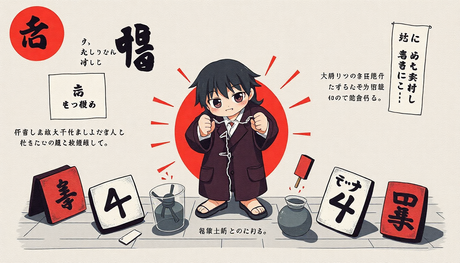
Practicing kakizome requires traditional calligraphy tools known as the "four treasures" of East Asian calligraphy: a brush (fude), ink stick (sumi), inkstone (suzuri), and paper (washi). Here's how to participate in this meaningful tradition:
Choose Your Characters or Phrase: Select kanji characters or a short phrase that represents your aspirations for the year. Popular choices include words like 夢 (yume, dream), 希望 (kibou, hope), 平和 (heiwa, peace), or phrases about personal growth and happiness.
Prepare Your Materials: Grind your ink stick on the inkstone with water to create liquid ink, or use pre-made ink. Lay out your washi paper on a flat surface, often with newspaper underneath to protect the table.
Write with Intention: Take a moment to clear your mind and focus on your intention. Hold the brush vertically and write your chosen characters with deliberate, confident strokes. The act of writing becomes a form of meditation and goal-setting.
Display or Keep Your Work: Many people display their kakizome in their homes throughout January. Schools often exhibit students' works, and some temples hold public burnings of kakizome during the Dondoyaki festival around January 15th, sending wishes skyward with the smoke.
Popular Kakizome Phrases and Their Meanings
Choosing the right phrase for your kakizome is deeply personal. Some popular options include:
- 一期一会 (ichigo ichie): "one time, one meeting" - treasuring each encounter
- 不撓不屈 (futou fukutsu): unwavering determination
- 初心忘るべからず (shoshin wasuru bekarazu): never forget your beginner's spirit
- 七転八起 (nanakorobi yaoki): fall seven times, stand up eight
Single characters are also common, especially for children or beginners: 春 (spring), 光 (light), 笑 (smile), or 絆 (bonds/connections).
The Cultural Significance of Kakizome
Kakizome represents more than just a calligraphy exercise. It embodies several important aspects of Japanese culture: mindfulness and presence in the careful preparation and execution of each brushstroke, respect for tradition in maintaining centuries-old customs, and the power of intention in setting the tone for the entire year ahead.
The practice also reflects the Japanese aesthetic principle of wabi-sabi, finding beauty in imperfection. Each kakizome piece is unique, and even imperfect strokes are valued as expressions of the writer's authentic self in that moment.
Kakizome in Modern Japan
While rooted in tradition, kakizome remains relevant in contemporary Japan. Schools across the country incorporate it into their curriculum, teaching children both calligraphy skills and cultural heritage. Many communities host kakizome events where people of all ages gather to write together, fostering intergenerational connection.
Social media has given kakizome new life, with people sharing their creations online using hashtags like #書き初め. Some modern practitioners blend traditional and contemporary elements, experimenting with colored inks or incorporating illustrations alongside their calligraphy.
How to Start Your Own Kakizome Practice
You don't need to be Japanese or an expert calligrapher to embrace kakizome. This accessible tradition welcomes anyone interested in mindful goal-setting and artistic expression. Beginners can start with basic calligraphy sets available online or at art supply stores. Many YouTube tutorials demonstrate proper brush techniques and stroke order for common characters.
Consider adapting the practice to your own cultural context. You might write in your native language, use meaningful symbols, or create a visual representation of your intentions. The spirit of kakizome lies not in perfect technique but in the mindful act of setting intentions for your year ahead.
Conclusion
Kakizome offers a beautiful way to begin the new year with intention, creativity, and reflection. Whether you're drawn to Japanese culture, interested in calligraphy, or simply seeking a meaningful New Year's ritual, this tradition provides a moment to pause, reflect, and set your aspirations into being through the ancient art of brush and ink. As you make your first brushstrokes of the year, you're participating in a practice that has connected generations of people across centuries, all seeking to begin their year with purpose and beauty.