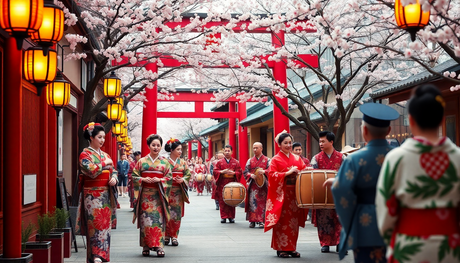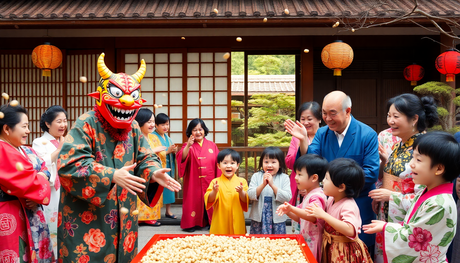

Every January, millions of Japanese children wake up to one of the year's most anticipated traditions: receiving crisp bills tucked inside colorful envelopes called otoshidama (お年玉). This beloved custom of giving monetary gifts during the New Year period is as integral to Japanese culture as the holiday feast itself, combining ancient traditions with modern generosity.

What is Otoshidama?
Otoshidama refers to the practice of giving money to children during the Japanese New Year celebration, typically from January 1st through the first few days of the year. Adults—including parents, grandparents, aunts, uncles, and close family friends—present these gifts in special decorative envelopes called pochibukuro to children in their families and social circles.
The word otoshidama itself has fascinating origins. While "toshi" means year and "dama" can mean jewel or treasure, the term historically referred to rice cakes offered to household gods during New Year celebrations. Over time, this spiritual offering evolved into a monetary gift for children.
The Beautiful Envelopes: Pochibukuro
The envelopes themselves are miniature works of art. Traditional pochibukuro feature auspicious symbols like cranes, turtles, pine trees, and plum blossoms—all representing longevity and good fortune. Modern designs have expanded to include popular anime characters, cute animals, and contemporary patterns that appeal to children of all ages.
These envelopes aren't just decorative packaging. They represent the giver's wishes for the child's health, happiness, and prosperity in the coming year. Many families save particularly beautiful pochibukuro as mementos.
How Much Money is Appropriate?
The amount given depends on several factors, including the child's age, the giver's relationship to the child, and regional customs. Generally speaking, younger children might receive 1,000 to 3,000 yen, while elementary school students typically get 3,000 to 5,000 yen. Middle and high school students often receive 5,000 to 10,000 yen or more.
There's an unwritten rule about avoiding amounts containing the number four, as the word for four (shi) sounds like the word for death in Japanese. Similarly, nine (ku) can mean suffering, so these numbers are traditionally avoided.
Recent Changes and Modern Trends
The otoshidama tradition has evolved significantly in recent years, reflecting broader changes in Japanese society and technology.
Digital Otoshidama: Several Japanese financial services and messaging apps now offer digital otoshidama options. LINE, Japan's ubiquitous messaging app, allows users to send virtual otoshidama through the platform. Some banks have introduced special features for transferring New Year gifts electronically, appealing to tech-savvy families and those separated by distance.
Economic Pressures: Japan's prolonged economic stagnation has impacted otoshidama amounts. Recent surveys suggest that while the tradition remains strong, some families are giving slightly less than in previous decades or being more selective about recipients. The rising cost of living has made some parents more conscious about budgeting for this expense.
Financial Education Component: Many Japanese parents now use otoshidama as a teaching opportunity about money management. Rather than allowing children to spend their New Year money immediately, families increasingly encourage saving, with some banks offering special youth accounts with New Year promotions to capitalize on this influx of child savings.
Gift Cards and Alternative Gifts: Some modern families supplement or replace cash with gift cards to bookstores, gaming platforms, or popular retailers. While purists may debate whether this maintains the spirit of the tradition, it reflects changing preferences and the digital economy.
Fun Facts About Otoshidama
The Market Impact: Otoshidama represents a massive transfer of wealth in Japan. Estimates suggest that total otoshidama exchanges exceed hundreds of billions of yen annually, making it a significant economic event that retailers eagerly anticipate.
Adult Otoshidama: While traditionally for children, some families extend the practice to young adults in college or even unmarried adult children, though this is less common and the envelopes might be called by a different term.
The Envelope Etiquette: New, crisp bills are preferred for otoshidama, and banks see a surge in requests for new currency in December. Folding the bills properly into the envelope follows specific rules—bills should be folded with the portrait facing up and inward.
Regional Variations: While otoshidama is practiced throughout Japan, some regions have unique customs. In certain areas, the tradition extends beyond family to include children of close neighbors or business associates.
Corporate Otoshidama: Some Japanese companies give small New Year bonuses to employees' children or hold events where executives distribute otoshidama to young visitors, extending the tradition into the business world.
The Social Significance
Beyond the monetary value, otoshidama serves important social functions. It reinforces family bonds, teaches children about giving and receiving with gratitude, and marks their growth and development. The ritual of bowing, saying thank you, and the reciprocal obligations it creates are lessons in social etiquette that extend throughout Japanese life.
For many Japanese people living abroad, maintaining the otoshidama tradition with their children becomes a way to preserve cultural identity and pass down heritage to the next generation.
The Future of Otoshidama
Despite economic challenges and technological changes, otoshidama remains remarkably resilient. The tradition adapts while maintaining its core purpose: expressing love for children and wishes for their bright future. Whether delivered in a traditional envelope or through a smartphone app, the sentiment behind otoshidama—investing in the next generation—continues to resonate deeply in Japanese culture.
As Japan navigates demographic shifts with a declining birth rate, each child receiving otoshidama represents not just personal family connections but society's collective hope for the future. This ancient tradition, continually reinvented for each new generation, shows no signs of disappearing from the Japanese New Year celebration.