
Every December 31st, something special happens in kitchens across Japan. Families gather to eat a simple bowl of noodles called toshikoshi soba. This tradition has been around for hundreds of years, and it's all about starting the new year with good luck and hope.
What is Toshikoshi Soba?
Toshikoshi soba means "year-crossing noodles." It's a bowl of thin buckwheat noodles that Japanese people eat on New Year's Eve, usually right before midnight.
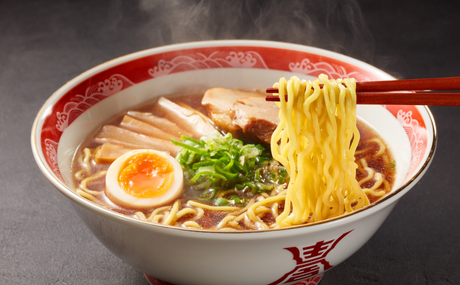
The dish is simple: hot soba noodles in a flavorful broth, topped with things like shrimp tempura, fish cake, green onions, or seaweed. Every family has their own favorite way to make it.
Why Do People Eat These Noodles?
There are several fun reasons why Japanese people eat soba on New Year's Eve.
Long noodles mean long life. The noodles are long and thin, so eating them is supposed to bring you a long, healthy life in the new year.
Breaking away from bad luck. Soba noodles break easily when you bite them. This represents cutting away all the bad things that happened in the past year. It's like hitting the reset button.
Money and good fortune. A long time ago, gold workers used soba dough to pick up tiny pieces of gold. Because of this, people believe eating soba brings financial luck.
Strength and resilience. The buckwheat plant is tough. It can grow in bad soil and harsh weather. Eating soba symbolizes being strong enough to handle whatever life throws at you.
Where Did This Tradition Start?
Most experts think toshikoshi soba became popular during the Edo period, between 1603 and 1868. Back then, soba was cheap and quick to make, which made it perfect for busy New Year's Eve when everyone was cleaning and getting ready for the new year.
Some stories say that centuries ago, a temple in Fukuoka gave free soba to poor people on New Year's Eve. The people who ate it had good luck the next year, and the tradition spread from there.
Different Styles Around Japan
Japanese regions have their own special ways of making toshikoshi soba.
In Tokyo, people enjoy hot soba in a rich broth topped with tempura or fish cake. Kyoto prefers a lighter broth, often with herring on top. Okinawa has its own version that's actually made with wheat noodles instead of buckwheat.
Some areas serve cold soba with grated radish. Others add local seafood or vegetables as toppings. No matter the style, the meaning stays the same.
When and How Should You Eat It?
The traditional rule is to eat your toshikoshi soba on December 31st before midnight. Some families eat it for dinner, while others wait until just before the clock strikes twelve.
There's an old belief that if you don't finish your noodles before the new year starts, you might have bad luck. But most people today don't worry too much about this. The important thing is enjoying the meal with family and thinking about the year ahead.
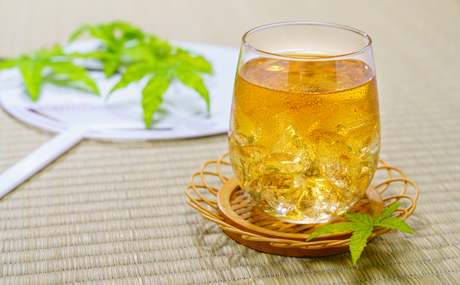
You can eat the noodles hot or cold, whatever you prefer. The key is to take your time and appreciate the moment.
How to Make Toshikoshi Soba at Home
Making toshikoshi soba is easier than you might think.
First, get some buckwheat soba noodles from an Asian grocery store or online. Make a simple broth using kombu (seaweed) and bonito flakes, then add soy sauce, mirin, and a little sugar. Cook the noodles according to the package directions—don't overcook them or they'll get mushy.
For toppings, you can use:
- Shrimp or vegetable tempura
- Fish cake slices
- Chopped green onions
- Seaweed strips
- A soft-boiled egg
Put the cooked noodles in a bowl, pour the hot broth over them, and add your favorite toppings. That's it!
Celebrating Today
Toshikoshi soba is still hugely popular in modern Japan. On New Year's Eve, soba restaurants are packed with customers. Convenience stores sell fresh and instant soba for people who want to celebrate at home. Even Japanese people living in other countries try to find soba noodles to keep up this tradition.
The reason this custom has lasted so long is simple: it brings people together. In our busy modern lives, sitting down to share a bowl of noodles gives us a chance to slow down, think about the past year, and look forward to what's coming.
Health Benefits Too
Besides all the good luck symbolism, soba is actually good for you. Buckwheat has lots of protein, fiber, and important minerals. It contains an antioxidant called rutin that's good for your heart.
Pure buckwheat soba is also gluten-free, though many commercial noodles mix in wheat flour, so check the label if that matters to you.
Try It Yourself
You don't have to be in Japan to enjoy toshikoshi soba. If you can find soba noodles where you live, you can make this dish at home and join in the tradition.
It's a beautiful reminder that meaningful traditions don't have to be complicated. Sometimes a simple bowl of noodles, eaten with gratitude and hope, is all you need to mark an important moment.
Final Thoughts
Toshikoshi soba is more than just food. It's about reflection, fresh starts, and hope for the future. When Japanese people eat these noodles on New Year's Eve, they're connecting with hundreds of years of tradition while making their own wishes for health, happiness, and good luck.
Whether you're in Tokyo or anywhere else in the world, eating toshikoshi soba on December 31st is a wonderful way to experience Japanese culture. As you slurp those long noodles, you're not just enjoying a delicious meal—you're participating in a tradition that has brought comfort and hope to millions of people for centuries.
So this New Year's Eve, why not give it a try? Cook up some soba, gather with loved ones, and welcome the new year the Japanese way.