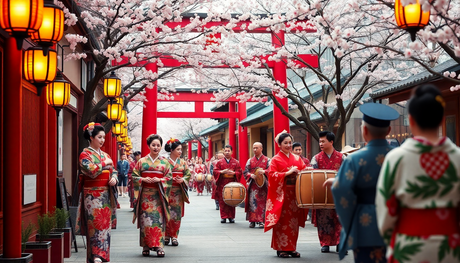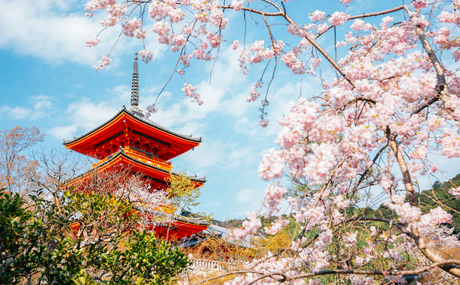

While Christmas in Japan is bright and romantic, New Year's Day—known as Oshōgatsu—is deeply meaningful, calm, and filled with beautiful traditions that have lasted for centuries. It's the moment when families reconnect, prayers are offered, and everyone welcomes the year with hope and gratitude.
A Holiday of Home, Family, and Reflection
Unlike Western countries where New Year's Eve is a night of big parties, in Japan the mood is peaceful. Many people travel back to their hometowns to celebrate with family. Trains and highways become crowded as the whole country prepares for a reset.
Homes are cleaned top to bottom in a tradition called ōsōji, symbolizing clearing away the old and starting fresh.
Joya no Kane – The Bells That Welcome the New Year
On New Year's Eve, temples across Japan ring their bells 108 times. This ritual, called Joya no Kane, represents purifying the 108 human desires that cause suffering. The slow, deep sound of the bell creates a soothing, spiritual atmosphere that marks the transition into the new year.
Hatsumōde – The First Shrine Visit
One of the most cherished traditions is hatsumōde, the first visit to a Shinto shrine or Buddhist temple during the first few days of January. Families line up—sometimes for hours—to:
- Pray for good health
- Draw omikuji (fortune slips)
- Buy protective charms for the year
Shrines like Meiji Jingu in Tokyo and Fushimi Inari in Kyoto attract millions of visitors.
Osechi Ryōri – New Year's Feast of Good Fortune
New Year's food in Japan isn't just delicious—it's symbolic. Families enjoy osechi ryōri, a beautifully arranged meal served in lacquered boxes called jubako. Each item represents a wish for the coming year:
- Kuromame (black beans): Good health
- Kazunoko (herring roe): Fertility and family happiness
- Datemaki (sweet omelette): Academic or artistic success
- Tazukuri (dried sardines): A good harvest
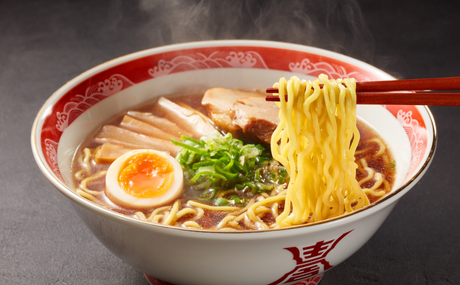
Another must-eat dish is toshikoshi soba, "year-crossing noodles," eaten on New Year's Eve to invite long life and a clean break from the past year.
Nengajō – The Tradition of New Year Cards
Japanese people send nengajō, beautifully designed New Year postcards, to friends, teachers, coworkers, and relatives. The postal system guarantees delivery on January 1st, creating a touching moment when mailboxes overflow with warm wishes for the year ahead.
Watching the First Sunrise
Some families wake up early on January 1st to watch the year's first sunrise, known as hatsu-hinode. Watching the sun rise over mountains, beaches, and city skylines feels like witnessing a fresh start.
New Year's Decorations
Homes and shrines are decorated with traditional items, each with a meaning:
- Kadomatsu: Bamboo and pine decorations placed at entrances to welcome the gods
- Shimenawa: Sacred ropes that protect against bad spirits
- Kagami mochi: Stacked rice cakes symbolizing prosperity and longevity
These decorations bring good luck and invite harmony into the household.
A Calm Yet Hopeful Celebration
New Year in Japan is not about fireworks, drinking, or loud countdowns. Instead, it's a time of gratitude, family bonds, spiritual reflection, and quiet joy. The air feels fresh, the streets peaceful, and the entire country moves at a slower, gentler pace.
It's a celebration that reminds everyone: A new year is not just a date — it's a chance to reconnect, reset, and start again.