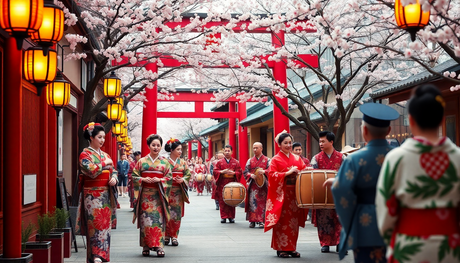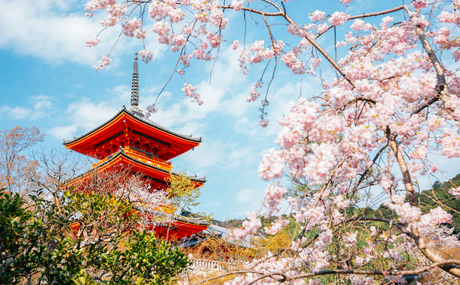

December in Japan means one thing: bounenkai season. Offices, friend groups, and communities across the country gather for these special year-end parties that mark one of the most important social traditions in Japanese culture.
What is Bounenkai?
Bounenkai (忘年会) literally means "forget-the-year gathering." It's a party held in December where people come together to let go of the past year's troubles and celebrate before starting fresh in the new year.
Think of it as Japan's way of hitting the reset button - with food, drinks, and plenty of socializing.

A Tradition Dating Back Centuries
This custom started in the 15th century among Japanese aristocrats and poets. Over time, it spread throughout society, becoming the widespread tradition we see today. The core idea remains the same: acknowledge the difficulties of the past year, then move forward together.
When Does Bounenkai Season Happen?
Bounenkai parties take place throughout December, usually in the first three weeks. Here's where it gets interesting - many Japanese people attend multiple bounenkai:
- Company-wide parties
- Team or department gatherings
- Client appreciation events
- Friends and social groups
- Community organizations
It's common to attend five or more bounenkai in one December, making it the busiest social month of the year.
What to Expect at a Bounenkai
The Venue
Most bounenkai happen at izakayas (Japanese pubs), restaurants with course meals, or karaoke spots. Bigger corporate events might take place at hotels or banquet halls.
How It Flows
The Opening Toast: A senior member gives a short speech, then everyone raises their glasses for "kanpai!" (cheers).
Food and Drinks: Groups enjoy Japanese cuisine together, often with all-you-can-drink (nomihodai) and all-you-can-eat (tabehodai) options.
Entertainment Time: This is where things get fun. Expect karaoke, games, bingo, or even staff performances. It's a chance to see your colleagues in a completely different light.
The Closing: Someone gives closing remarks thanking everyone for their hard work, followed by a final toast.
The Nijikai (After Party)
When the official party ends, many groups head to a nijikai - a second, more casual gathering at another bar or karaoke place. This is optional and usually involves a smaller crowd.
Bounenkai Social Rules
The Seating Arrangement
Senior members sit in the place of honor, while junior staff sit near the entrance. But bounenkai is more relaxed than regular work settings, so hierarchy is less strict.
The Drink-Pouring Custom
Here's an important one: don't pour your own drink. Instead, pour for others, and they'll pour for you. It's a sign of respect and consideration that strengthens bonds.
Should You Attend?
Technically, bounenkai is voluntary. However, especially for company parties, there's often an expectation to show up. Skipping it might be seen as not being a team player, though modern workplaces are becoming more understanding about this.
How Bounenkai is Changing
Modern Japan is reimagining this tradition:
Less Pressure: Companies are backing off mandatory attendance and heavy drinking expectations.
New Formats: Some organizations now offer lunch bounenkai, non-alcoholic options, or activity-based events like bowling.
Smaller Budgets: Today's parties are more modest compared to the lavish celebrations during Japan's economic boom years.
Work-Life Balance: More people are setting boundaries and declining some invitations to protect their personal time.
Bounenkai vs. Shinnenkai
Don't confuse bounenkai with shinnenkai (新年会). Bounenkai happens in December to close out the year, while shinnenkai are January parties celebrating the new year and fresh starts.
First-Time Attendee Tips
Be on time: The party starts with a group toast, and everyone waits for it.
Dress properly: Business casual is usually safe unless told otherwise.
Pace yourself: Multiple courses and lots of drinking means you should take it easy.
Join in: Talk to people, play the games, sing karaoke if invited. This is your chance to connect.
Say thank you: Organizing these events takes work, so show appreciation.
Why Bounenkai Matters
In Japanese work culture, bounenkai does something important. It creates space for people to talk more openly, smooth over conflicts, and strengthen relationships outside the formal office environment.
In a culture where direct confrontation is rare, bounenkai provides a setting where issues can be addressed, forgiven, and left behind before the new year begins. It's about maintaining harmony and resetting team dynamics.
The Bottom Line
Bounenkai is more than just a December party. It's a meaningful tradition that reflects Japanese values of shared experience, social connection, and the importance of transitions. It gives people permission to acknowledge hardships, celebrate together, and consciously move forward.
Every December, millions across Japan gather to raise their glasses and collectively say goodbye to the old year's troubles. It's a ritual of renewal that brings people together - and that's something worth celebrating.